
Best Time to Visit Choa Saidan Shah and the Salt Range
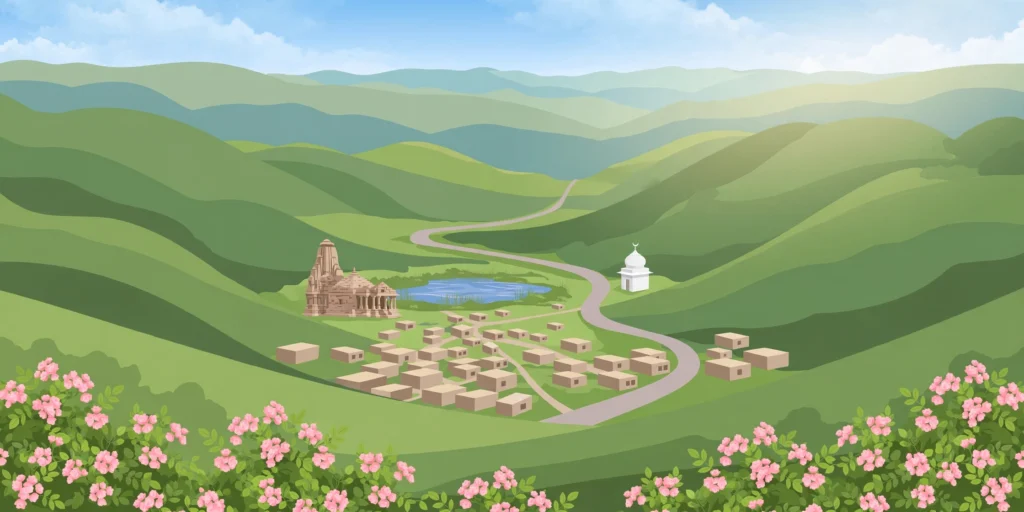
The best time to visit Choa Saidan Shah and the Salt Range is from October to April, when the weather is cool, dry and comfortable for walking and sightseeing. Spring, roughly March to April, is the finest season of all: the valley is green, the roses are in flower, and the hills are at their most beautiful. Winter is crisp and clear, autumn is mild and golden, and summer is best avoided unless you are used to the heat of the Punjab plains.
Choa Saidan Shah sits in a bowl-shaped valley at about 676 metres above sea level, ringed by the hills of the Salt Range. That elevation makes a real difference. The town is cooler than the plains below in summer and colder on winter nights, and the seasons arrive a little more sharply here than they do in Chakwal city or on the motorway. Knowing how each season feels in the valley — not just on a weather chart — is the key to planning a good trip.
What is the best time to visit the Salt Range?
For most visitors, the answer is simple: October to April. In these months the days are mild and the nights are cool, the skies are usually clear, and the hills are comfortable to walk in. You can visit the Katas Raj Temples, walk the bazaar, drive the short road to Khewra Salt Mine, and stop at Kallar Kahar lake without the exhaustion that summer brings.
Within that long season there are two peaks. The first is spring, from March into April, when the valley is green after the winter rains and the roses — the town’s famous flowers — are in full bloom. The second is autumn, from October into November, when the heat has broken, the light turns golden, and the crowds are thin. Both are excellent; spring is prettier, autumn is quieter.
The worst time to visit is the height of summer, roughly mid-May to mid-July, when the heat is intense and the hills turn brown and dusty. A visit is still possible — early mornings and late afternoons are manageable — but the middle of the day is hard going, and the valley loses the green that makes it special.
What is spring like in Choa Saidan Shah?
Spring, from March to April, is the season the town is proudest of. The winter rains leave the valley green, the orchards come into leaf, and the rose bushes — in home gardens and small orchards across the valley floor — flower in earnest. This is the season the Punjab tourism department has in mind when it describes the town as famous for its roses and perfumes.
Spring is also the season of the town’s annual urs, the traditional gathering at the shrine of Saidan Shah behind the main bazaar, traditionally held in April. A spring visit can combine the roses, the shrine at its liveliest, and the temples at Katas Raj, six kilometres away, in a single day. Days are warm but not hot, evenings are cool, and the light on the hills in the late afternoon is the best of the year.
One practical note: spring is the most popular season, so the temples and the lake at Kallar Kahar are busier at weekends. If you can travel on a weekday, do — the valley is much quieter, and the bazaar is easier to enjoy at a slow pace.
What is summer like in the Salt Range?
Summer in Choa Saidan Shah runs roughly from May to July, and it is hot. Daytime temperatures climb high, the sun is strong, and the hills — green in spring — turn brown and dry. The town’s elevation of about 676 metres takes a little of the edge off the heat compared with the plains, but not enough to make midday comfortable.
That does not mean summer is impossible. The mornings are the best part of the day: an early start lets you see the temples or walk the valley before the heat builds. Late afternoons, as the sun drops behind the hills, are pleasant again. What summer is bad for is a long midday walk, a crowded temple visit in the full sun, or a drive without air conditioning.
Summer has one advantage: it is the quietest season for visitors. If you must travel in summer, plan around the heat — travel early, rest in the middle of the day, drink plenty of water, and keep the outdoor sightseeing to the morning and evening. The monsoon rains, when they come in July and August, briefly turn the hills green again, but they also make the smaller roads slippery, so check locally before setting out.
What is the monsoon season like?
The monsoon reaches the Salt Range in July and August, bringing rain that transforms the hills. After weeks of brown, the valley turns green almost overnight, the springs run stronger, and the air smells of wet earth. For photographers and for anyone who loves green hills, the days just after a monsoon shower are among the most beautiful in the year.
But the monsoon needs respect. Rain in the hills can be sudden and heavy, and the smaller roads — including the lanes around the temples and the hill roads — can become slippery or briefly flooded. A monsoon visit works best as a short, flexible trip: watch the sky, keep your plans loose, and be ready to wait out a shower. The Pakistan Meteorological Department’s forecasts are the place to check before travelling in this season, and local advice on the day matters more than any forecast.
What is autumn like in Choa Saidan Shah?
Autumn, from October into November, is the second-best season to visit, and for many travellers it is the most comfortable. The summer heat has gone, the monsoon has left the hills green, and the days are mild and clear. The roses flower again, though less heavily than in spring, and the valley takes on a golden light that suits the old stone of the temples.
Autumn is also a practical season. The roads are dry, the skies are clear, and the crowds of spring have gone. It is an excellent time for the longer walks — the road to Katas Raj, the lanes of the old town, the viewpoints above the valley — and for combining Choa Saidan Shah with Kallar Kahar and Khewra in one unhurried day.
The evenings grow cool in November, so pack a warm layer. By late November the nights are cold enough that an unheated room feels chilly, and visitors staying overnight should check that their accommodation has warm bedding.
What is winter like in the Salt Range?
Winter, from December to February, is cold, clear and quiet. Days are often bright and sunny, with crisp air and long views across the hills, but the nights are cold — the valley’s elevation means temperatures drop sharply after sunset, and fog can settle in the low ground on still winter mornings.
Winter is a good season for visitors who like clear skies and empty roads. The temples are quiet, the bazaar is at its most local, and the hills, though brown, have a stark beauty of their own. It is also the season when the town belongs most completely to its residents, which is part of its charm.
Pack properly for winter: a warm jacket, a shawl or sweater for the evenings, and warm socks. If you are driving, remember that fog can reduce visibility on the early-morning roads, especially on the low stretches near the motorway — leave after the sun has had time to burn the fog off, and drive slowly where visibility is poor.
How should I plan a visit around the seasons?
Start with the season, then build the day around it. In spring and autumn, plan a full day: the bazaar and the shrine in the morning, the Katas Raj Temples in the late morning, and Khewra Salt Mine or Kallar Kahar lake in the afternoon. In summer, compress the outdoor sightseeing into the morning and evening and rest in the middle of the day. In winter, start a little later, after the morning fog has lifted, and finish before dark, when the cold sets in.
Whatever the season, a few things stay the same. Wear comfortable walking shoes — the lanes of the old town and the paths around the temples are uneven. Carry water, especially in the warmer months. Dress modestly, as is the custom in a small Punjab town, and behave respectfully at the shrine and the temples. And check locally before travelling: the exact dates of the urs, the condition of the roads after rain, and the opening hours at the temples can all change, and local people will always know best.
The Salt Range rewards the visitor who comes at the right time and takes it slowly. Come in spring for the roses, in autumn for the golden light, in winter for the clear skies — and whenever you come, give the valley a full day. It is a small town, but the seasons give it four different faces, and each one is worth seeing.
Frequently asked questions
What is the best time to visit Choa Saidan Shah and the Salt Range?
October to April is the best time to visit, when the weather is cool and comfortable. Spring (March–April) is the greenest and most beautiful season, with the roses in flower, while autumn (October–November) is mild, golden and quiet.
Is summer a bad time to visit the Salt Range?
Summer, roughly mid-May to mid-July, is hot and the hills turn brown and dusty. A visit is still possible if you plan around the heat — early mornings and late afternoons, plenty of water, and rest in the middle of the day — but spring and autumn are far more comfortable.
Does it rain in Choa Saidan Shah during the monsoon?
Yes, the monsoon brings rain in July and August, turning the hills green. The rain can be sudden and heavy, and smaller roads can become slippery, so check the Pakistan Meteorological Department forecast and local advice before travelling in this season.
What should I pack for a winter visit to the Salt Range?
Pack a warm jacket, a sweater or shawl for the evenings, and warm socks — winter nights in the valley are cold. Morning fog can reduce visibility on the roads, so plan to travel after the sun has lifted it.
Sources and notes: the town’s elevation of about 676 metres, its bowl-shaped valley, the spring rose season, the traditional April urs at the shrine of Saidan Shah, and the distances to Katas Raj (about 6 km), Khewra (about 8–10 km) and the M2 motorway (about 27 km) follow the district’s published facts, including the Punjab tourism department’s description of the town. Seasonal descriptions are general guidance for the Salt Range climate; exact temperatures and rainfall vary from year to year — check the Pakistan Meteorological Department forecast and local advice before travelling.